
Biometric security has rapidly become one of the most talked-about innovations in the financial sector. With the rise of digital banking, mobile payments, and online transactions, protecting sensitive customer information is no longer optional—it’s essential. Financial institutions, more than any other industry, face constant threats from fraudsters and cybercriminals. This is where biometric security steps in, offering a more reliable and user-friendly solution than traditional passwords or PINs.
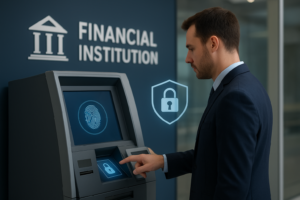
In this blog, we’ll explore what biometric security is, why it matters in financial institutions, its benefits, potential challenges, and how it is shaping the future of banking.
What is Biometric Security?
Biometric security refers to authentication methods that use unique physical or behavioral traits of individuals to verify their identity. Unlike passwords, which can be guessed or stolen, biometric identifiers are difficult to replicate. Some common types of biometrics used in banking include:
- Fingerprint recognition
- Facial recognition
- Voice recognition
- Iris or retina scans
- Behavioral biometrics (like typing rhythm or swipe patterns)
Each of these technologies provides a unique way to ensure that only authorized users gain access to financial systems.
Why Biometric Security Matters in Financial Institutions
Financial institutions handle extremely sensitive customer data, including bank account details, personal identification, and transaction histories. A single breach can result in devastating consequences—financial losses, reputational damage, and loss of customer trust. Biometric security is essential in financial institutions as it provides:
-
Stronger protection
Biometric data is unique to each individual, making it much harder to forge or hack compared to traditional security measures.
-
Fraud prevention
Biometrics reduces identity theft by ensuring that only the rightful owner of an account can access it.
-
Convenience
Customers no longer have to remember complex passwords. A simple fingerprint scan or facial recognition provides quick access.
-
Regulatory compliance
Many regions require financial institutions to implement robust security measures. Biometrics helps banks meet these requirements.
The Benefits of Biometric Security in Banking
Enhanced Customer Experience
Biometric security streamlines the login and verification process, reducing friction for customers. Instead of typing long passwords or answering security questions, they can access their accounts instantly using a fingerprint or facial scan.
Improved Fraud Detection
Banks lose billions every year due to fraud. Biometrics adds an additional layer of defense, making it much harder for criminals to impersonate users.
Reduced Operational Costs
Traditional password resets and account recovery processes are costly for banks. By minimizing dependency on passwords, financial institutions save time and money.
Increased Trust and Loyalty
When customers feel secure, they are more likely to continue using a bank’s services. Biometric security builds confidence and long-term loyalty.
Real-World Applications of Biometric Security in Financial Institutions
- Mobile Banking Apps: Many apps now allow users to log in with fingerprints or face scans.
- ATM Authentication: Some banks have replaced PINs with fingerprint or palm vein authentication at ATMs.
- Call Centers: Voice recognition verifies customers during support calls, reducing the risk of impersonation.
- In-branch Services: Facial recognition speeds up in-person verification for transactions or account openings.
Challenges of Biometric Security in Banking
While biometric technology is promising, it is not without its challenges:
- Privacy concerns: Customers may be hesitant to share biometric data, fearing misuse.
- Data breaches: Though harder to steal, biometric data is permanent. Once compromised, it cannot be changed like a password.
- Technical limitations: Poor image quality, environmental factors, or system errors can lead to false rejections or approvals.
- Cost of implementation: Deploying biometric systems requires significant investment in infrastructure and technology.
How Financial Institutions Can Overcome These Challenges
- Strong encryption: Biometric data should always be encrypted to prevent unauthorized access.
- Multi-factor authentication (MFA): Combining biometrics with other verification methods provides extra protection.
- Customer education: Banks should explain how biometric security works and reassure customers about privacy safeguards.
- Continuous updates: Regularly upgrading systems ensures the latest security patches and reduces vulnerabilities.
The Future of Biometric Security in Banking
Biometric security is still evolving, and financial institutions are investing heavily in new innovations. Some trends shaping the future include:
- AI-powered biometrics: Artificial intelligence improves accuracy by learning from behavioral patterns.
- Wearable biometrics: Devices like smartwatches may provide continuous authentication based on heart rate or gait recognition.
- Blockchain integration: Storing biometric data on decentralized systems could enhance security and transparency.
- Global standardization: As adoption grows, regulators may create universal standards for biometric authentication in banking.
Why Customers Should Care About Biometric Security
Customers are at the center of this security revolution. By embracing biometric authentication, they gain:
- Faster, easier access to their accounts
- Stronger protection against fraud
- Peace of mind knowing their financial data is secure
Ultimately, biometric security enhances both safety and convenience, making banking more reliable and user-friendly.
Conclusion
Biometric security is no longer a futuristic concept—it’s here, and it’s transforming financial institutions worldwide. By combining convenience with robust protection, it addresses both customer needs and regulatory requirements. While challenges like privacy concerns and implementation costs remain, the benefits far outweigh the drawbacks.
As financial transactions become increasingly digital, biometric security will play a central role in safeguarding sensitive data, preventing fraud, and building customer trust. For banks and their customers alike, it truly matters.